

Antabuse overview: what it is and what it’s for
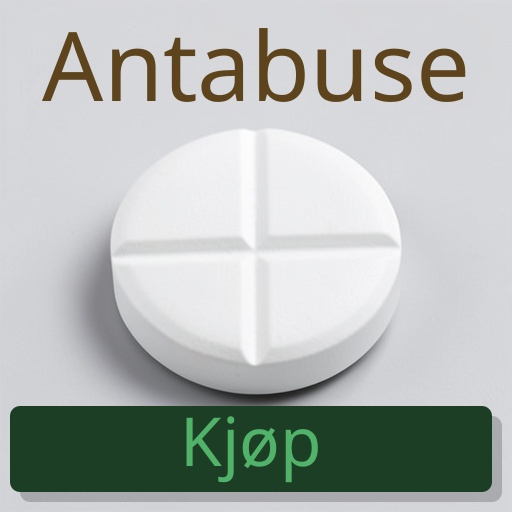 Antabuse is a brand-name medicine used in the management of alcohol dependence as part of a broader recovery plan. It is not a “cure” for alcohol use disorder, but it can support abstinence by creating an immediate, unpleasant reaction if alcohol is consumed. In clinical practice it is generally used alongside counselling, social support, and regular medical follow-up. The goal is to help reduce the risk of relapse during a period of committed sobriety.
In Norway, alcohol dependence is treated as a medical condition, and treatment plans commonly involve both behavioural and medical components. Antabuse is typically considered when a patient is motivated to avoid alcohol and understands the consequences of drinking while taking the medication. It is most effective when adherence is consistent and when there is a clear plan for what to do in high-risk situations. Many people also benefit from involving a trusted supporter who can help with reminders and accountability.
Because Antabuse works through a predictable biochemical interaction with alcohol, it requires careful patient education. Even small amounts of alcohol can trigger the reaction, including alcohol found in some foods, mouthwashes, and medicines. This product page provides high-level, safety-focused information to help you understand Antabuse and how an online pharmacy process typically works. It does not replace individualized medical advice.
Active ingredient and how Antabuse differs from other options
The active ingredient in Antabuse is disulfiram. Disulfiram is an aversive agent, meaning it discourages alcohol use by causing a negative physiological response after alcohol exposure. This is different from medicines that reduce cravings or alter reward pathways more subtly. The effect is largely behavioural: it creates a strong deterrent to drinking.
Antabuse is generally taken on a regular schedule, and its deterrent effect may persist even after the last dose. That persistence is one reason careful planning matters, especially around social events, travel, or medications that may contain alcohol. Disulfiram does not treat alcohol withdrawal symptoms; withdrawal should be assessed and managed separately by a clinician when relevant. It also does not reduce intoxication if alcohol is consumed—rather, it can make the experience medically risky.
Because disulfiram has been available for decades, clinicians have substantial experience with its use and limitations. It tends to be most suitable for individuals who can commit to abstinence and who prefer a clear, immediate consequence for drinking. A healthcare professional will typically consider medical history, liver function, medication interactions, and patient preference before recommending it. If Antabuse is not appropriate, alternative approaches may be discussed.
History: discovery and development of disulfiram
Disulfiram’s story is unusual compared with many modern medicines. It was observed that certain chemical exposures could make people feel acutely unwell after consuming alcohol, and this phenomenon was later investigated medically. Over time, the effect was intentionally adapted to support treatment for alcohol dependence. Antabuse became one of the earliest medicines specifically used to help people avoid alcohol.
Its long history means the core mechanism is well characterized, and clinical use has generated extensive practical knowledge about counselling needs and safety checks. While treatment philosophies have evolved, disulfiram remains in use because it can be effective for selected patients. It is often discussed as a tool that supports abstinence rather than a stand-alone therapy. Modern care emphasizes informed consent and structured follow-up.
Over the years, disulfiram has also been studied for other potential uses, but its primary and most established role remains alcohol aversion therapy. Because the reaction with alcohol can be intense, most clinical guidance stresses patient education, medical assessment, and a plan for emergencies. This historical perspective helps explain why safety information and adherence are central to Antabuse use. It also explains why some patients prefer it: the deterrent is straightforward and predictable.
Mechanism of action: why alcohol causes a reaction on Antabuse
When you drink alcohol, your body breaks it down in steps. Disulfiram inhibits an enzyme involved in alcohol metabolism, leading to accumulation of acetaldehyde after alcohol intake. Elevated acetaldehyde is associated with flushing, nausea, headache, palpitations, and other unpleasant symptoms. This is commonly called the “disulfiram–alcohol reaction.”
The intensity of the reaction can vary and may depend on factors such as the amount of alcohol consumed, individual metabolism, and dose. Importantly, the reaction can occur even with small alcohol exposures from products that contain alcohol. For that reason, people taking Antabuse are usually advised to check labels and avoid alcohol-containing products where possible. The medication is intended to create a reliable deterrent that supports a decision not to drink.
Disulfiram’s effect can persist after stopping the tablets because enzyme activity takes time to recover. That lingering effect is clinically important: drinking soon after discontinuation can still trigger symptoms. Patients are often advised to keep avoiding alcohol for a period after the last dose, based on clinician guidance and product information. If any reaction symptoms occur, medical advice should be sought, especially if symptoms are severe.
What Antabuse is used for in alcohol dependence care
Antabuse is used to help maintain abstinence in people with alcohol dependence who are motivated to stop drinking. It is typically part of a structured program that may include counselling, relapse-prevention planning, and support groups. Antabuse is not designed to “control” drinking; it is designed to discourage any drinking at all. This makes it a better fit for abstinence-based goals rather than moderation goals.
Clinicians may consider it after detoxification or once a patient is not intoxicated and has stopped drinking. Starting Antabuse while alcohol is still in the system can increase the risk of a reaction. A careful start plan usually includes confirming alcohol-free status for an appropriate time. Ongoing monitoring may include check-ins about adherence, mental health, and side effects.
Some individuals do well with supervised dosing, where a trusted person helps ensure regular intake. This is not a requirement, but it can improve consistency for some people. Antabuse can be helpful during higher-risk periods, such as early recovery or times of significant stress. Treatment duration varies and should be individualized with a healthcare professional.
How to take Antabuse safely: practical use guidance
Antabuse is usually taken once daily, often in the morning, but dosing schedules can vary by prescriber instructions and local product guidance. It is important to take it exactly as directed and not to change the dose without medical input. If a dose is missed, many clinicians advise taking it when remembered unless it is close to the next dose, but individualized directions should be followed. Doubling up doses can increase the risk of side effects.
A key safety rule is to avoid alcohol in all forms. This includes beverages and, for some people, alcohol in mouthwash, cough syrups, or cooking ingredients. People taking Antabuse should read labels and ask a pharmacist when uncertain. If exposure occurs, symptoms can range from mild flushing to more serious reactions that require urgent medical care.
Before starting, it is common to review medical history and current medicines, including over-the-counter products. Inform your clinician about heart disease, liver disease, seizure history, mental health conditions, and any allergies. If you are planning surgery or dental procedures, tell the healthcare team you take disulfiram, because some preparations may contain alcohol. Keeping a brief medication list accessible can prevent accidental exposure.
Available forms and typical dosages
Antabuse is most commonly supplied as oral tablets. In many markets, disulfiram tablets are available in strengths such as 200 mg or 250 mg, though availability can vary by supplier and regulatory approvals. Your prescribed dose may include an initial period and a maintenance dose. The most appropriate dose is individualized based on tolerability and clinical response.
Tablets are typically swallowed with water, and some patients prefer taking them with food to reduce stomach upset. It is important not to take Antabuse “as needed”; it is designed for consistent daily use. Stopping and starting without guidance can create confusion about how long alcohol must be avoided. If you wish to stop, a clinician can advise on timing and safety precautions.
The table below is a simple orientation guide rather than a substitute for the patient leaflet or clinician instructions. Always follow the directions provided with your specific product. If your tablets look different than expected, verify them with a pharmacist before use. Proper identification matters, especially with online purchasing.
| Form | Common strengths (may vary) | Typical schedule | Key notes |
|---|---|---|---|
| Oral tablet (disulfiram) | 200–250 mg | Once daily (maintenance often daily) | Avoid alcohol during use and after stopping for a clinician-advised period |
How long Antabuse takes to work and how long effects last
Antabuse does not create a “feeling” of effect in the way some medicines do; its practical effect is the deterrent reaction if alcohol is consumed. After taking disulfiram, the body’s ability to metabolize alcohol normally becomes impaired, and that can occur within the first day of therapy in many patients. However, the exact timing varies between individuals. Because of this variability, people are advised to assume they are protected by the deterrent and avoid alcohol completely once therapy starts.
If alcohol is consumed while on Antabuse, symptoms can begin relatively quickly, often within minutes to an hour. The duration of the reaction may last from a few hours to longer depending on the alcohol amount and individual sensitivity. Some reactions can be severe and should not be “waited out” without guidance if symptoms escalate. If chest pain, severe shortness of breath, fainting, confusion, or persistent vomiting occurs, emergency care may be necessary.
In terms of persistence, disulfiram’s enzyme inhibition can remain for days after the last dose. Many patient instructions emphasize continuing to avoid alcohol for up to one to two weeks after stopping, but the safest timeframe is the one your clinician provides based on your situation and product leaflet. This extended caution period is important for preventing unexpected reactions. Planning ahead for events and medications is part of using Antabuse responsibly.
How long Antabuse stays in the body
Disulfiram is metabolized into several compounds, and its functional effect can outlast the presence of the parent drug in blood. Rather than focusing on a single “half-life,” clinicians often focus on how long alcohol sensitivity persists. That sensitivity can remain for several days and sometimes longer. This is why alcohol avoidance is advised even after discontinuation.
Individual factors can influence how long effects last, including liver function, age, and adherence history. Because alcohol reactions can be medically significant, it is safer to assume that sensitivity remains for a meaningful period after the final tablet. If you are unsure whether it is safe to consume alcohol, the safest choice is to continue avoiding it and speak with a clinician. This is particularly important before celebrations, travel, or planned social drinking.
If you are switching therapies or restarting Antabuse after a break, professional guidance helps avoid overlapping risks. A clinician can advise on timing, including how long to remain abstinent before starting and how long to remain abstinent after stopping. If symptoms occur without known alcohol exposure, discuss this with a healthcare professional, as hidden alcohol sources can be overlooked. Keeping track of products used daily can help identify inadvertent exposures.
Scientific research overview: what evidence supports disulfiram
Disulfiram has been studied for many years, and research generally supports its benefit in helping maintain abstinence for appropriately selected patients. Outcomes often depend strongly on adherence, and supervised dosing has been associated with better results in some settings. This aligns with how the medication works: it is effective when taken consistently and when the person is committed to avoiding alcohol. Research also emphasizes that psychosocial support improves outcomes.
Studies and clinical guidelines typically discuss disulfiram alongside other pharmacologic options and behavioural treatments. Rather than being universally best, it is one tool among several, suited to a particular patient profile. The decision to use it usually weighs motivation, medical contraindications, and the ability to comply with alcohol avoidance. Regular monitoring is often recommended, especially early in treatment.
Because this page is not a substitute for clinical care, it does not attempt to summarize individual trials or provide numerical effect sizes. Evidence can vary based on study design and patient populations. If you want evidence tailored to your situation, a clinician can discuss guideline-based options available in Norway. A pharmacist can also help explain how the medicine is typically used and what safety monitoring may be considered.
Dependence, addiction potential, and misuse considerations
Antabuse is not considered an addictive medication in the way opioids, benzodiazepines, or stimulants can be. It does not typically cause euphoria, reinforcement, or cravings for the medication itself. The main risk pattern is not “addiction to Antabuse,” but rather non-adherence or intentional skipping to allow alcohol use. For that reason, support and follow-up are important.
Some people may attempt to “test” the reaction by drinking small amounts of alcohol, which can be dangerous and is not recommended. Even a small exposure can cause a strong reaction, and predicting severity is difficult. If someone is struggling with urges to drink, that is a signal to seek help, not to self-experiment. A treatment plan can include coping strategies and additional supports.
In rare situations, disulfiram has been misused in interpersonal conflict, such as adding alcohol to someone’s food or drink while they are taking it. This is unsafe and unethical, and Antabuse should only be used with the informed consent of the patient. If you feel pressured to take disulfiram, speak with a healthcare professional. Patient autonomy and safety are central to appropriate use.
Side effects: what to expect and when to seek help
Like all medicines, Antabuse can cause side effects even when alcohol is avoided. Commonly reported effects include tiredness, headache, a metallic or garlic-like taste, nausea, and skin reactions. Some people notice reduced concentration or mild mood changes. Side effects may be more noticeable when first starting and may improve over time.
More serious adverse effects are less common but important to recognize. Disulfiram can affect the liver in some patients, and warning signs may include persistent nausea, abdominal pain, dark urine, yellowing of the skin or eyes, or unusual fatigue. Neurological symptoms such as numbness, tingling, or significant mood or behavioural changes should also be assessed. If severe symptoms occur, stop alcohol exposure and seek medical care promptly, following local emergency guidance in Norway.
The disulfiram–alcohol reaction is a special category of side effect triggered by alcohol exposure. Symptoms may include flushing, throbbing headache, sweating, nausea, vomiting, chest discomfort, palpitations, dizziness, and low blood pressure. Severe reactions can be medical emergencies. If you suspect a severe reaction, do not drive yourself; seek urgent help.
Who should not take Antabuse and key precautions
Antabuse is not suitable for everyone. It is commonly avoided in people with severe heart disease, significant liver disease, or a history of severe reactions to disulfiram. It may also be contraindicated in certain psychiatric conditions, particularly if there is a risk of confusion, psychosis, or severe impulsivity. A clinician should screen for these factors before prescribing.
Pregnancy and breastfeeding require special consideration, and a healthcare professional should be involved in decision-making. If you have diabetes, epilepsy, thyroid disease, or kidney problems, you should disclose this before starting therapy. A careful review of all medicines and supplements is also important, because interactions can increase risks. Never start Antabuse without ensuring that alcohol has been avoided for an appropriate period.
People with occupational exposure to alcohol-containing solvents or fumes should discuss this with a clinician, as even inhaled exposure can sometimes cause symptoms. Similarly, those who frequently use alcohol-based hand sanitizers may need practical guidance, although many can use them without issue if exposure is minimal and hands are dry before contact with the face. The safest approach is individualized counselling. When in doubt, a pharmacist can help you identify hidden alcohol sources and safer alternatives.
Age limits and other restrictions
Antabuse is generally intended for adults as part of a medically supervised treatment plan. Use in minors is uncommon and typically requires specialist assessment and careful safeguarding. Age thresholds and consent rules can vary by jurisdiction and clinical context in Norway. If you are seeking treatment for an adolescent, the appropriate path is a specialist healthcare service rather than self-directed purchase.
Even in adults, Antabuse is usually started only after confirming abstinence and assessing withdrawal risk. If a person is intoxicated, in acute withdrawal, or has unstable medical conditions, starting disulfiram may be unsafe. Stabilization and appropriate medical care come first. Ongoing follow-up is also important to monitor adherence, mood, and side effects.
Driving and safety-sensitive work should be considered if you experience drowsiness, dizziness, or impaired concentration. Alcohol avoidance also has practical implications for social and workplace contexts. Planning for events and discussing strategies with a clinician can improve success. The aim is to reduce surprises and support consistent recovery-focused routines.
Allergic reactions and intolerance: what to watch for
Allergic reactions to disulfiram are possible, though not common. Signs can include rash, itching, hives, swelling of the face or throat, and difficulty breathing. Any symptoms suggesting anaphylaxis require urgent emergency care. If you have a history of medication allergies, inform your clinician and pharmacist.
Some reactions can be non-allergic but still significant, such as severe skin rashes or blistering. If you develop a widespread rash, fever, mouth sores, or skin peeling, stop the medicine and seek medical assessment promptly. Differentiating an allergy from other adverse effects is important for future treatment choices. Do not restart the medication unless a clinician confirms it is safe.
If you feel unwell after using a product that may contain alcohol, consider both alcohol exposure and medication side effects. Hidden alcohol in cough syrups, herbal tinctures, sauces, or mouth products can trigger symptoms that resemble intolerance. Keeping a simple log of exposures can help identify the cause. A pharmacist can often quickly identify safer alternatives.
Alcohol interactions: beverages, foods, and hidden sources
Alcohol is the critical interaction with Antabuse. Beer, wine, spirits, and mixed drinks are the obvious sources, but there are also less obvious ones such as some desserts, sauces, and fermented products. Cooking can reduce alcohol content but does not always eliminate it, and the remaining amount may still be enough to cause a reaction in sensitive individuals. For safety, many patients choose to avoid foods where alcohol is a clear ingredient.
Over-the-counter products may contain alcohol, including some cough and cold syrups, mouthwashes, and herbal extracts. Alcohol-based aftershaves or colognes may cause issues for some people, especially if used heavily or in poorly ventilated spaces. Alcohol-containing hand sanitizers are commonly used; many people tolerate normal use, but it is wise to let hands dry fully and avoid inhaling fumes intentionally. If you have reacted before, discuss precautions with a clinician.
If alcohol exposure happens, the best response depends on symptom severity. Mild flushing may resolve, but worsening symptoms can occur and require medical evaluation. Do not attempt to “push through” symptoms or drink more alcohol to counteract them. Seek advice promptly, and when in doubt, treat severe symptoms as an emergency.
Drug interactions: medicines to review with a pharmacist
Antabuse can interact with a range of prescription and non-prescription medicines. Some interactions are pharmacologic, while others relate to alcohol content in formulations. It is essential to tell a clinician or pharmacist about everything you take, including supplements and intermittent medicines. This is particularly important when starting or stopping any medication.
Examples of medicines often reviewed for potential interaction include anticoagulants, certain seizure medications, some antidepressants, and sedatives. Additionally, some antibiotics and antifungals can cause their own alcohol-related reactions or add to side effects, complicating management. This does not mean these medicines cannot be used, but it does mean the combination should be assessed carefully. If you are prescribed a new medicine, remind the prescriber that you take disulfiram.
If you use topical products, ask whether they contain alcohol and whether that matters for your situation. For most people, small topical exposures are less risky than ingesting alcohol, but sensitivity varies. A pharmacist can help you choose alcohol-free formulations where feasible. Clear communication reduces the chance of preventable reactions.
Overdose and emergencies: what to do
If too much Antabuse is taken, side effects may intensify and could include significant nausea, vomiting, drowsiness, confusion, or other concerning symptoms. Overdose risk may be higher if combined with other sedating substances or if alcohol is also involved. Because the situation can be unpredictable, it is important to treat suspected overdose as urgent. In Norway, follow local emergency guidance and contact emergency services or a poison information service as directed by local resources.
If a severe disulfiram–alcohol reaction occurs, seek urgent medical care. Warning signs include chest pain, severe shortness of breath, fainting, persistent vomiting, severe dizziness, or altered mental status. Do not drive yourself to get help. Bring the medication packaging or a medication list if possible, as it can help clinicians respond quickly.
For non-urgent concerns, contact a pharmacist or healthcare provider for advice. If you are unsure whether a symptom is serious, it is safer to seek assessment rather than wait. Online pharmacy customer support should not be used as a substitute for emergency services. Your safety should always take priority over completing an order or managing delivery.
Storage, handling, and shelf-life basics
Store Antabuse tablets in their original packaging, away from moisture and direct sunlight, and at the temperature range indicated on the product label. Bathrooms and windowsills are common problem areas due to humidity and temperature changes. Keep the container tightly closed and out of reach of children and pets. Proper storage helps maintain stability and dosing accuracy.
Do not use Antabuse past the expiry date printed on the packaging. If tablets appear discoloured, crumbling, or have an unusual odour, consult a pharmacist before use. When travelling, keep the medicine in your carry-on luggage to avoid temperature extremes and loss. If you need to cross borders, consider carrying proof of prescription or a medication note if applicable.
Unused or expired medicines should be disposed of safely according to Norwegian guidance, often via pharmacy take-back programs. Do not flush medicines unless specifically instructed. Safe disposal reduces accidental ingestion and environmental contamination. If you have questions about disposal, a local pharmacy can advise.
Alternatives to Antabuse: medication and non-medication options
Antabuse is one of several evidence-based options for alcohol dependence. Other medicines may focus on reducing cravings or changing the rewarding effects of alcohol rather than creating an aversive reaction. Which option fits best depends on medical history, treatment goals, and previous responses. A clinician can help compare benefits and risks in a patient-centred way.
Non-medication supports remain central to long-term outcomes. Counselling approaches, relapse-prevention skills, mutual-help groups, and social support can be as important as medication choice. Many people use a combination of strategies, adjusting over time as needs change. If mental health conditions such as depression or anxiety are present, treating them can also improve recovery stability.
If you have tried Antabuse before and it was not helpful, that does not mean treatment has failed. It may indicate that a different medicine, a different support structure, or a different goal timeline is needed. Discuss past experiences openly, including adherence challenges and triggers. A good plan is practical, realistic, and revisited regularly.
Buying Antabuse online in Norway: prescription status and what to expect
In Norway, many medicines for alcohol dependence are commonly supplied under prescription and clinical supervision. Whether disulfiram can be supplied without prescription depends on current national rules, product classification, and the specific supplier pathway. Because requirements can change and vary by product and strength, an online pharmacy should verify eligibility before dispatch. If a prescription is required, a legitimate service will request it or offer an appropriate consultation pathway where permitted.
If you are looking to buy Antabuse online, prioritize safety and authenticity. A trustworthy pharmacy will provide clear company details, pharmacist support, secure payment, and transparent dispensing conditions. It should also provide product information, contraindications, and an opportunity to declare medical history and current medicines. Avoid websites that make unrealistic promises, skip safety screening, or offer unclear sourcing.
Online purchasing can be convenient, especially for people who value privacy and predictable refills, but it should still support responsible use. Ensure you have a follow-up plan for side effects, monitoring, and relapse risk. If you have any uncertainty about legality, prescription requirements, or suitability, consult a Norwegian healthcare professional. The safest approach is one that combines access with proper clinical oversight.
Typical price range in Norway and value considerations
The price of Antabuse or generic disulfiram in Norway can vary depending on brand versus generic, strength, pack size, and pharmacy pricing policies. Online listings may also differ due to shipping, handling, and consultation fees where applicable. Because prices can change, it is best to treat any figure you see as a snapshot rather than a guarantee. Comparing the full checkout cost, not just the per-tablet cost, is a practical way to evaluate value.
As an illustrative range, some online pharmacies may list disulfiram products from roughly low-to-moderate hundreds of NOK per pack, while branded products or larger packs may cost more. These are not real-time quotes, and availability may differ by supplier. If you are offered a price that seems dramatically lower than typical market expectations, verify licensing, product origin, and quality controls. Counterfeit or improperly stored medicines can create serious health risks.
Value is not only about cost; it also includes safety screening, pharmacist access, clear instructions, and reliable delivery. For a medication like Antabuse, which has important interaction risks, professional support adds meaningful value. If your treatment plan includes supervised dosing or regular check-ins, factor that into your overall budgeting. A pharmacy that helps you use the medicine correctly may reduce costly complications later.
How to order from our online pharmacy: steps, delivery, and tracking
Our online pharmacy process is designed to be straightforward while still prioritizing patient safety. You select the Antabuse product and strength offered, complete a health and medication questionnaire, and provide any required documentation if applicable. A pharmacist review may be performed to confirm suitability and to identify potential interactions. If something is unclear, you may be contacted for clarification before the order is finalized.
After approval, your order is prepared for dispatch with discreet packaging. Delivery timelines within Norway can vary by location and courier service, and factors like holidays may affect transit time. Once shipped, you typically receive a tracking reference so you can follow the parcel’s progress. If tracking shows a delay, customer support can help coordinate with the carrier while protecting your privacy.
To help ensure a smooth experience, use the checklist below before placing an order. These steps can reduce delays and improve safety. They also help ensure you receive the correct medicine and understand how to take it. If you are unsure about any item, consult a pharmacist before completing checkout.
- Confirm you can avoid alcohol completely, including hidden sources in products and foods.
- Prepare a current list of all medicines, supplements, and allergies to report accurately.
- Check whether a prescription is required for your selected product and strength in Norway.
- Ensure your delivery address and contact details are correct for carrier tracking updates.
- Read the included patient information and contact a pharmacist if anything is unclear.
Frequently Asked Questions
Is Antabuse a cure for alcohol use disorder?
Antabuse (disulfiram) is not a cure, but a support medication used as part of a broader treatment plan. It works by creating an unpleasant reaction if alcohol is consumed, which can help reinforce abstinence. The best results typically come when Antabuse is combined with follow-up care such as counselling, monitoring, and relapse-prevention planning.
What happens if I drink alcohol while taking Antabuse?
Drinking alcohol on Antabuse can trigger a rapid, sometimes severe reaction such as flushing, throbbing headache, nausea/vomiting, chest discomfort, palpitations, low blood pressure, and shortness of breath. The intensity varies by person and by how much alcohol is consumed, including alcohol hidden in some products. If symptoms feel severe (for example, fainting, chest pain, or trouble breathing), seek urgent medical help in Norway.
Do I need to avoid things like mouthwash, perfumes, or hand sanitiser while on Antabuse?
Many people need to be cautious, because some mouthwashes, cough syrups, aftershaves, and hand sanitisers contain alcohol that may provoke symptoms in sensitive individuals. Read labels carefully and choose alcohol-free alternatives when possible. If you are unsure whether a product is safe, ask a pharmacist for guidance.
Can I start Antabuse on my own, or should I be supervised?
Antabuse is usually started with clinical oversight to confirm you are alcohol-free and to review medical history and current medicines. Supervision can also improve safety and adherence, especially early in treatment. Do not start, stop, or restart Antabuse without checking with a prescriber who knows your situation.
Who should be especially careful with Antabuse due to medical conditions?
Extra caution is commonly needed with significant liver disease, certain heart conditions, seizure disorders, diabetes, and a history of severe mental health symptoms. Antabuse may also be unsuitable during pregnancy or breastfeeding unless a clinician decides the benefits outweigh the risks. A medication review is important so risks can be weighed for your specific health profile.
What monitoring or check-ups are usually needed while taking Antabuse?
Clinicians often recommend baseline and follow-up checks, particularly for liver function, because disulfiram can affect the liver in some people. You may also be asked about mood changes, nerve symptoms (such as tingling), and any signs of hepatitis (for example, dark urine or yellowing of the eyes/skin). Contact a healthcare professional promptly if you notice concerning symptoms.
Can Antabuse be used with counselling or support programs?
Yes—Antabuse is commonly used alongside counselling, peer support, or structured alcohol services, which can address triggers and build coping skills. Many people find it most helpful when there is a clear plan for adherence and accountability. Combining approaches can also help you prepare for high-risk situations such as social events or stressful periods.
What should I do if I miss a dose of Antabuse?
If you miss a dose, take it when you remember unless it’s close to the next scheduled dose. Do not take a double dose to make up for the missed one. If you’ve missed multiple doses or have started drinking again, speak with a clinician before restarting, as timing and safety checks may be needed.
Can I buy Antabuse online in Norway, and do I need a prescription?
In Norway, access to Antabuse typically involves prescription verification and clinical checks to ensure it’s appropriate and safe for you. If you plan to buy Antabuse online, choose a pharmacy that confirms prescriptions and provides pharmacist support rather than bypassing medical oversight. Be cautious of websites claiming Antabuse is available “without prescription,” as this can be unsafe and may not comply with local rules.
Pharmacist Review
This Antabuse (disulfiram) product page has been professionally reviewed for accuracy, clarity, and responsible medicine-use information for patients in Norway. The review focused on ensuring the content reflects appropriate prescribing context, key precautions, and practical counselling points relevant to safe use.
Reviewed by: Sigrid H. Nilsen, Master of Pharmacy (MPharm), Authorised Pharmacist
Professional ID: HPR-482917 (Norwegian Directorate of Health (Helsedirektoratet) – Health Personnel Register (HPR))
Review date: 17/07/2026
Clinical and safety check summary
- Intended use: Antabuse is used as an aid in the management of alcohol dependence as part of a broader treatment plan. It is not a stand-alone cure for alcohol use disorder.
- Key counselling point: Alcohol exposure can trigger an unpleasant and potentially serious reaction. This includes alcohol in drinks and “hidden” sources such as certain foods, mouthwashes, and some medicines.
- Precautions: Patients should review their medical history and current medicines with a clinician or pharmacist before use, as contraindications and interactions may apply.
- When to seek help: The page content includes guidance on recognising urgent symptoms and when to seek medical attention, consistent with safe-use expectations for prescription medicines.
Legal disclaimer: The information on this page is provided for educational purposes only and does not replace advice from a doctor or other qualified healthcare professional. Always follow your prescriber’s instructions and the patient leaflet supplied with your medicine.
Pharmacy location & opening hours
Pick up your Antabuse order in-store at our pharmacy.
Address: Karl Johans gate 23, 0150 Oslo, Oslo, NO
| Day | Hours |
|---|---|
| Monday–Friday | 09:00–18:00 |
| Saturday | 10:00–16:00 |
Hours shown reflect our local store schedule in Norway; please arrive before closing time for in-store service.
